
"roasting degree"
10000 article(s) found

Baking of high-quality coffee beans explanation on the roasting degree of coffee
First, when studying the roasting degree of coffee beans, the degree of roasting can be judged by sound, color and aroma. Its color ranges from light gray to dark brown, and its aroma is gradually rich from light and elegant; the sound is made two times of bursting sound. Taking the heat-resistant raw bean as an example, the first explosion begins at about 7 minutes and lasts for about 2 minutes, and its voice is low. It indicates the beginning of pyrolysis, the conversion of starch to caramel and water steaming.

The relationship between roasting degree and grinding degree of coffee the lighter the roasting degree of coffee beans is, the finer the grinding degree of coffee is.
Professional coffee knowledge exchange more coffee bean information Please follow the coffee workshop (Wechat official account cafe_style) how to judge and set the grinding degree of espresso fresh coffee raw beans are emerald green, raw beans must be roasted, ground into powder, and then brewed before they become coffee in our cups. It's mentioned in a book devoted to coffee, coffee.
Roasting Theory of Coffee beans (2)
Let's talk about the definition of various baking degrees and taste. In the United States, the degree of roasting has long been defined by Cinnamon (shallow roasting), City (shallow roasting), Fully City (deep roasting) and Dark roast (heavy deep roasting, including Italian and French). However, the American preference for coffee flavor has always been strong in the west and light in the east, so on the west coast.

Roasting of coffee beans: the relationship between roasting degree and acidity the difference between shallow baking and deep roasting
Professional coffee knowledge exchange more coffee bean information Please pay attention to the relationship between roasting degree and sour taste in coffee workshop (Wechat official account cafe_style) Coffee acidity is closely related to coffee variety and roasting degree, while coffee will be acidic because coffee beans fully absorb acid from the pulp during growth and processing. In terms of variety, high-quality Arabica
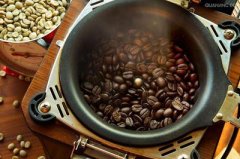
Roasting technology of coffee beans Coffee industry as a standard for roasting degree
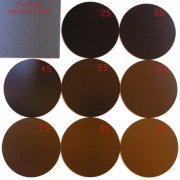
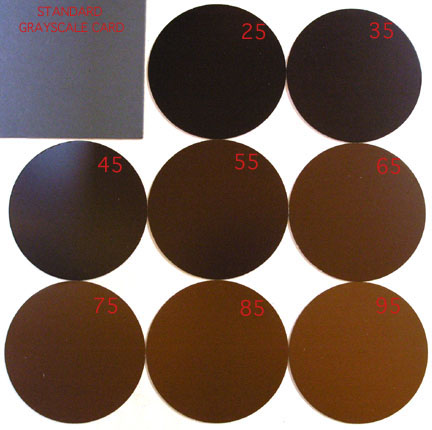
Coffee roasting degree was originally named according to the roasting degree preferred by various countries, but due to the standard being too general, different roasters have different opinions on roasting degree. The American Coffee Association (SCAA) uses infrared caramelization detector technology (Agtron) to measure the color of coffee beans to determine the roasting degree of coffee, and the color is made into eight standard color blocks from light to dark.

General knowledge of coffee roasting Coffee roasting degree and characteristics
From the point of view of the baking degree, the deeper the baking degree, the stronger the bitter taste; the lighter the baking degree, the stronger the sour taste. The choice of baking degree depends on the characteristics of the coffee bean itself. for coffee beans with strong bitterness and light sour taste, they generally choose a moderate and shallow roasting degree. 1, shallow baking (Light) the lightest fried culture, no flavor and concentration, beans are not yet ripe, there are raw beans

Different coffees are blended according to their performance in cups with different roasting degrees.
Another theory is to mix different coffees according to their performance in cups with different roasting degrees. No matter which type of coffee it belongs to, it has different flavor performance under different roasting degrees, and even the coffee with strong personality will have a strong personality under the deeper roasting degree, while the mild coffee with the least personality is not obvious at the shallow roasting degree.

General knowledge of roasting of fine coffee coffee bean roasting theory (2)
Let's talk about the definition of various baking degrees and taste. In the United States, the degree of roasting has long been defined by Cinnamon (shallow roasting), City (shallow roasting), Fully City (deep roasting) and Dark roast (heavy deep roasting, including Italian and French). However, the American preference for coffee flavor has always been strong in the west and light in the east, so on the west coast.

Coffee roasting degree explain coffee roasting picture in detail
The color change of coffee during roasting (the color change of coffee beans during roasting) the color change of coffee during roasting (the change of color of coffee beans during roasting) the color change of coffee roasting turns light green (or light yellow) raw coffee beans into tea-brown coffee beans that we are familiar with. The color of coffee beans
Learn what is coffee roasting degree what is the difference between the process from raw to ripe
Professional coffee knowledge exchange more coffee bean information please follow the coffee workshop (Wechat official account cafe_style) front street-coffee roasting degree introduction just harvested refined raw beans are almost odorless, raw beans after heating and roasting process, the moisture is removed, coffee bean composition chemical changes, resulting in volatile strong coffee aroma, but also shows that the coffee is unique
Introduction to the main points of coffee roasting knowledge: coffee bean roasting theory (2)
Let's talk about the definition of various baking degrees and taste. In the United States, the degree of roasting has long been defined by Cinnamon (shallow roasting), City (shallow roasting), Fully City (deep roasting) and Dark roast (heavy deep roasting, including Italian and French). However, the American preference for coffee flavor has always been strong in the west and light in the east, so on the west coast.

Kenya Coffee roasting Notes: what is the roasting degree of sweet Kenyan coffee?
Professional coffee knowledge exchange more coffee bean information please follow the coffee workshop (Wechat official account cafe_style) what kind of coffee Kenya coffee beans are suitable for Kenya AA TOP Nyeri producing area (1) deeply roasted beans. When the temperature is controlled at 0800 degrees, the temperature is 160C; at 1120, when the temperature explodes at 200C and 1525C, the second explosion begins at 220C, and the second explosion is concentrated at 230C.

The most direct factor determining whether coffee beans are sour or bitter is the roasting of coffee beans.
The raw coffee beans are roasted to make the coffee show a unique coffee color, aroma and taste. The most important thing about baking is to be able to stir-fry the inside and outside of the beans evenly without overscorching. It is no exaggeration to say that 80% of the taste of coffee depends on roasting, which is the most important and basic condition for making coffee. Roasting is a deep knowledge. Many coffee roasters study coffee roasting all their lives, but

Coffee beans roasting and roasting degree Introduction Coffee roasting has the following degrees
Roasting causes coffee to produce coffee oil, which is what gives coffee its rich aroma. The most outstanding characteristic of this fragrance is its volatility and its easy solubility in water. Therefore, people can smell the mellow smell of coffee beans, but also can pour it into the cup to taste. There are several degrees of coffee roasting: Light roasting Light aroma and high acidity are one of its characteristics

The eight stages of roasting of professional coffee
The eight stages of roasting: the roasting method of professional coffee is usually divided into the following eight stages. 1. Very shallow baking (LIGHT Roast): the degree of baking; very shallow baking, also known as shallow baking. The lightest roasting degree of all roasting stages, the surface of the coffee beans is a light cinnamon color, its taste and aroma are insufficient, this state is almost undrinkable. It is generally used in testing, but rarely used.
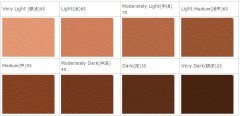
Baking degree resolution diagram
American Coffee Association (SCAA) roasting standard this standard uses infrared caramelization tester technology (Agtron) to measure the color of coffee beans to determine the roasting degree of coffee, and the color is divided into eight equal parts into eight standard color blocks for coffee industry as roasting identification.
Roasting of fine coffee beans Coffee roasting degree and characteristics
From the perspective of roasting degree, the deeper the roasting degree, the stronger the bitterness; the lighter the roasting degree, the stronger the sourness. The degree of roasting depends on the characteristics of the coffee beans themselves. For coffee beans with strong bitterness and light acidity, moderate and light roasting degree is generally selected. 1. Light baking (Light) The lightest frying, no fragrance and concentration, beans are not ripe, raw beans

The explanation of Coffee Common sense about the degree of Coffee Baking
First, when studying the roasting degree of coffee beans, the degree of roasting can be judged by sound, color and aroma. Its color ranges from light gray to dark brown, and its aroma is gradually rich from light and elegant; the sound is made two times of bursting sound. Taking the heat-resistant raw bean as an example, the first explosion begins at about 7 minutes and lasts for about 2 minutes, and its voice is low. It indicates the beginning of pyrolysis, the conversion of starch to caramel and water steaming.

Do you know what kind of roast coffee beans don't have sour taste?| Know which coffee beans are healthy
Professional coffee knowledge exchange More coffee bean information Please pay attention to coffee workshop (Weixin Official Accounts cafe_style) Light Roast before and after the first burst, 195~205 degrees, is the lightest roasting degree in all roasting stages, the surface of coffee beans is light cinnamon color, with strong grass flavor, taste and aroma are underdeveloped, generally as a sample roasting
Definition of roasting degree and taste of all kinds of coffee
In the United States, Cinnamon (shallow baking), City (shallow baking), FullyCity (deep baking) and Darkroast (heavy deep baking) have long been used to define the baking level.